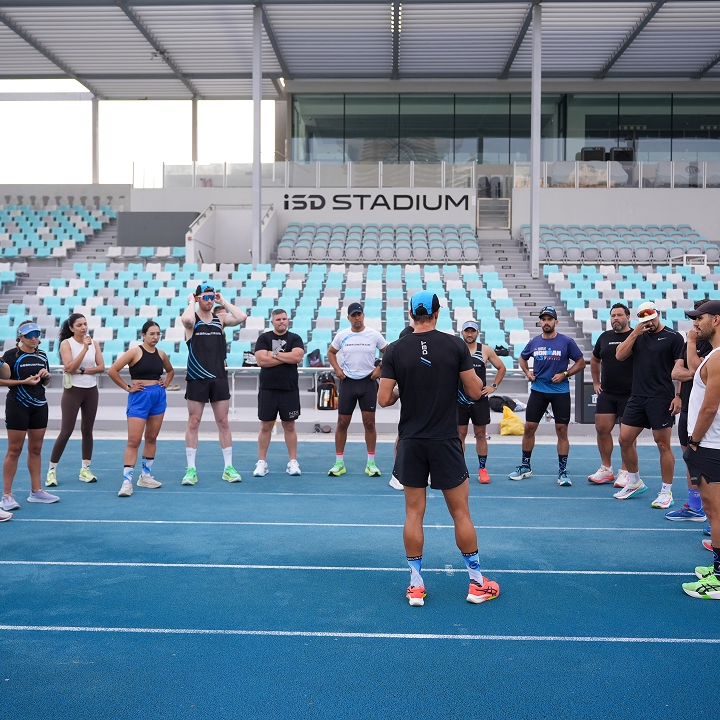
The T100 Qatar will be held in Lusail from 10 to 12 December 2026 and will combine the tour final and the T100 Age-Group World Championships in the same race weekend. The race programme also includes an open 100 km triathlon and sprint triathlon and shorter community runs.
This race in Qatar is less about proving your endurance and more about displaying a whole season’s worth of fitness under the intense strain of a championship for ambitious professional athletes. Discipline tends to be key on a flat course, when a momentary lapse of judgement can be costly and make disciplined execution far more difficult than it needs to be.
| Date | 10–12 December 2026 |
|---|---|
| Location | Lusail, Qatar |
| Main start location | Lusail Ferry Dock |
| Event village and race pack collection | Lusail Plaza |
| Thursday, 10 December 2026 | Kick Off 5km and 1km runs |
| Friday, 11 December 2026 | Sprint triathlon and women’s T100 World Championship Final |
| Saturday, 12 December 2026 | Age-Group World Championship, open 100km triathlon and men’s T100 World Championship Final |
| T100 distance | 2km swim, 80km bike, 18km run |
| Sprint distance | 750m swim, 20km bike, 5km run |
| Terrain | Sea swim, flat bike and flat run |
| Typical conditions published by T100 | Water: 23.5°C; air: 15–25°C |
Start times, race-pack collections, bike check-ins and details regarding the race’s operation are still to be confirmed. Athletes should use the final race briefing and official event information provided by the organisers as the final authority.
Have You Qualified for Qatar, or Are You Targeting the Open 100km Race?
Coach de Bruin can translate your training data, qualification standard and race objective into a precise final race strategy.
Why Qatar Is Not Simply Another T100
The Age-Group World Championship field is all about athletes finishing in the top 10 in their age group and gender at a T100 qualification race, along with National Federation selections. There will be no roll-downs if a top-10 athlete declines. In addition to being eligible, participants must also be endorsed by their federation and race in an official national uniform.
This shifts the competitive playing field. On flat courses, what may seem like easy speeds might tempt athletes to follow moves that are outside their strategised plan. The first thing coach de Bruin would do is determine which tactical options would support the athlete’s best result.
The Championship race is the last peak of the season for most athletes, as it’s the end of the year. In some cases in the Middle East the championship will be the middle of the season, so you have to decide how important this title will be for you. But having an annual training plan with peaks will make this one of your A events.
– Coach de Bruin
The Swim: Secure Position Without Creating Debt
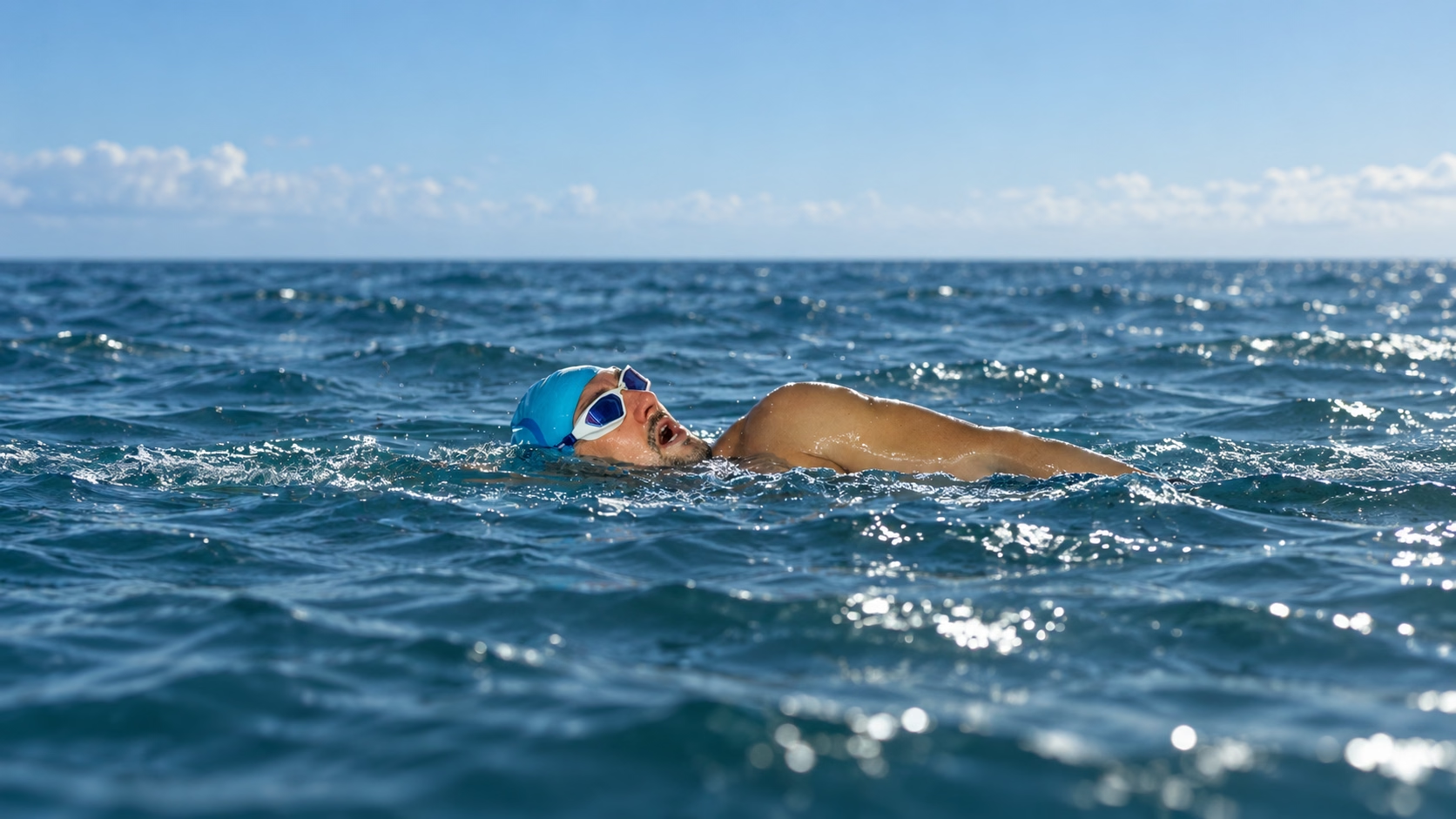
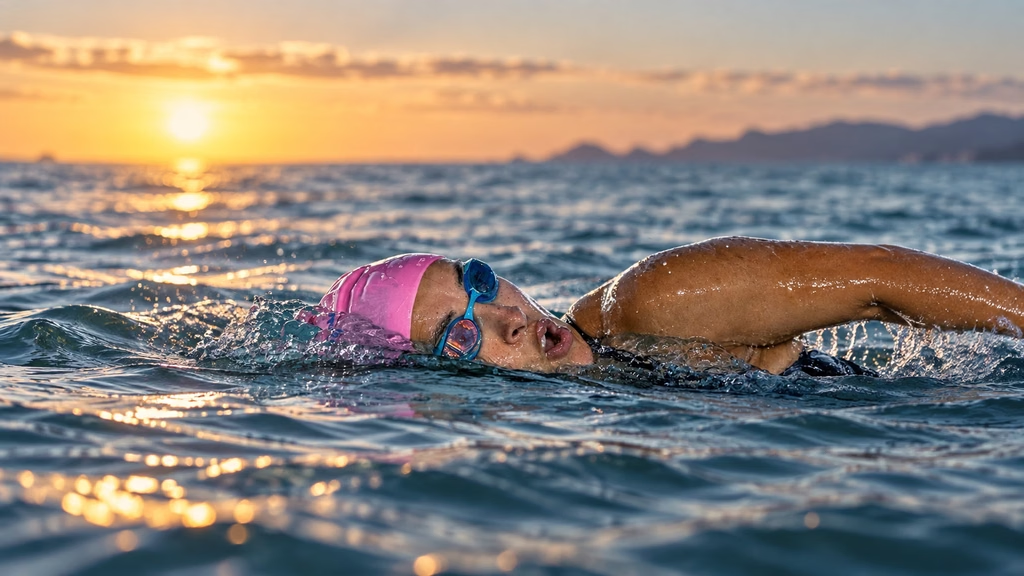
The 2 km swim takes place in the Arabian Gulf. Losing your position can cost time, but forcing an unsuitable pack may cost more later. Training should include decisive starts, drafting at a realistic speed and settling back into position after contact or any disruptions.
Published expected water temperatures will vary, so the status of being able to wear a wetsuit will remain a race-day decision. Athletes need to have prepared a rehearsed plan for either ruling.
Eighty Flat Kilometres Demand Constant Attention
The bike is listed as four sets of 20 km laps on flat roads through Lusail. Keeping in mind that maintaining legal spacing between the other competitors, holding an aerodynamic position that is sustainable and avoiding unnecessary power spikes are performance tasks that need to remain consistent; small mistakes repeated over four laps become material the closer you get to the end of the race.
Coach de Bruin would assess more than average power. Cadence stability and consistency, normalised power, variability, aerodynamic durability and the athlete’s fatigue response after 60 km help establish whether their target is genuinely sustainable. The correct output is the one that produces a competitive 80 km split while preserving an 18 km run—not the number that looks strongest in isolation.
Bike for show and run for dough. It’s easy to get carried away on your fully carbon TT bike flying down the road with all the watts-saving components, but the reality is that it might cost you, and walking during a half or full Ironman can be avoided.
Keeping within yourself is the best approach, and knowing what power or heart rate number is the better one.
– Coach de Bruin
The Run Is Three Opportunities to Make Decisions
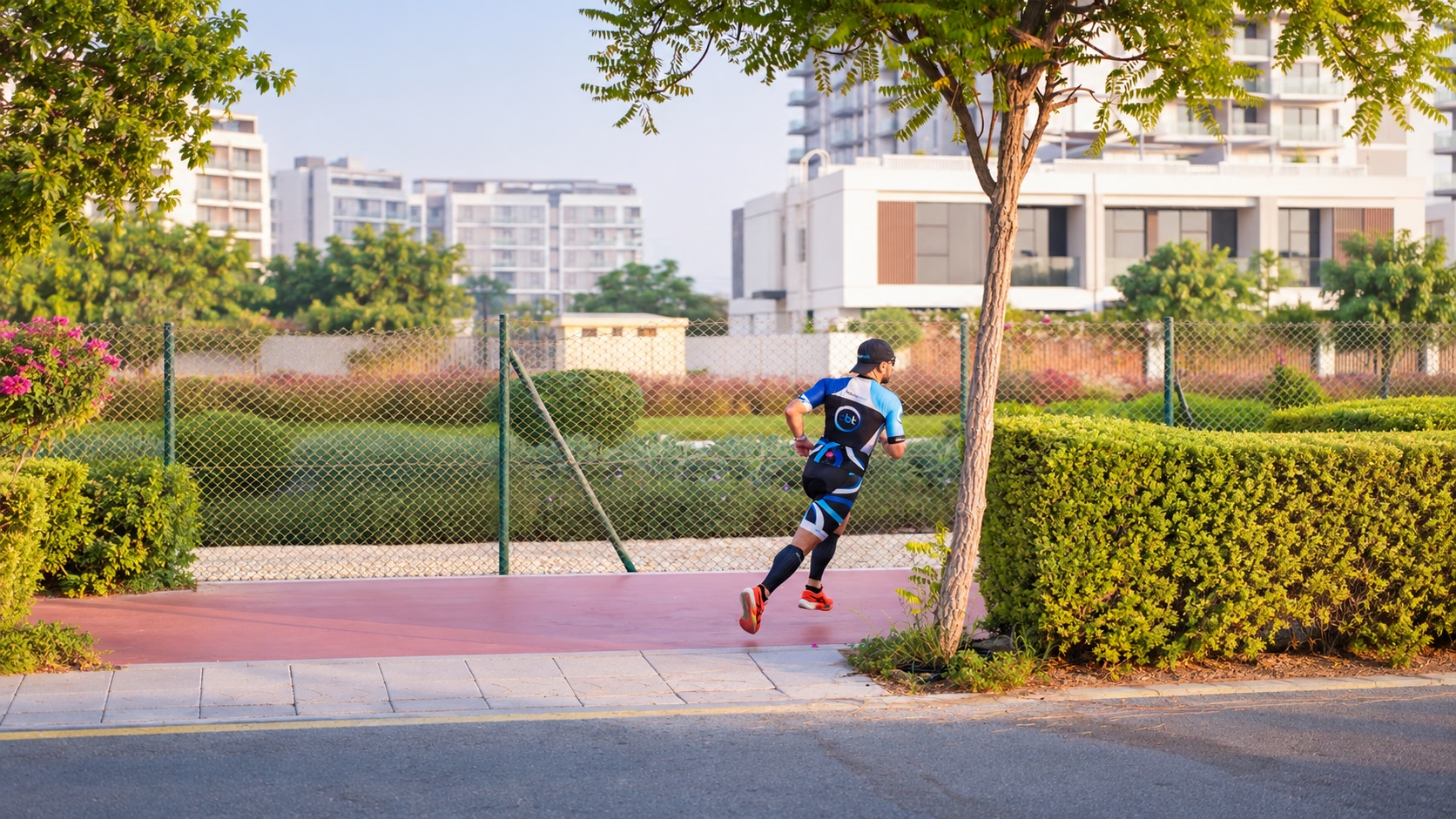
The three-lap run creates clear checkpoints. Lap one establishes mechanics and thermal control; lap two tests whether target pace can remain sustainable until the end; lap three is where a prepared athlete can use the position they earned earlier to get ahead as the final lap closes in.
A championship field can make it deceiving to think that you should increase your intensity at the beginning. Coach de Bruin will set pace, heart-rate and RPE guardrails before race day, then define when the athlete may move beyond them. This preserves agency late in the race instead of spending it in the first moments of the first lap out of T2.
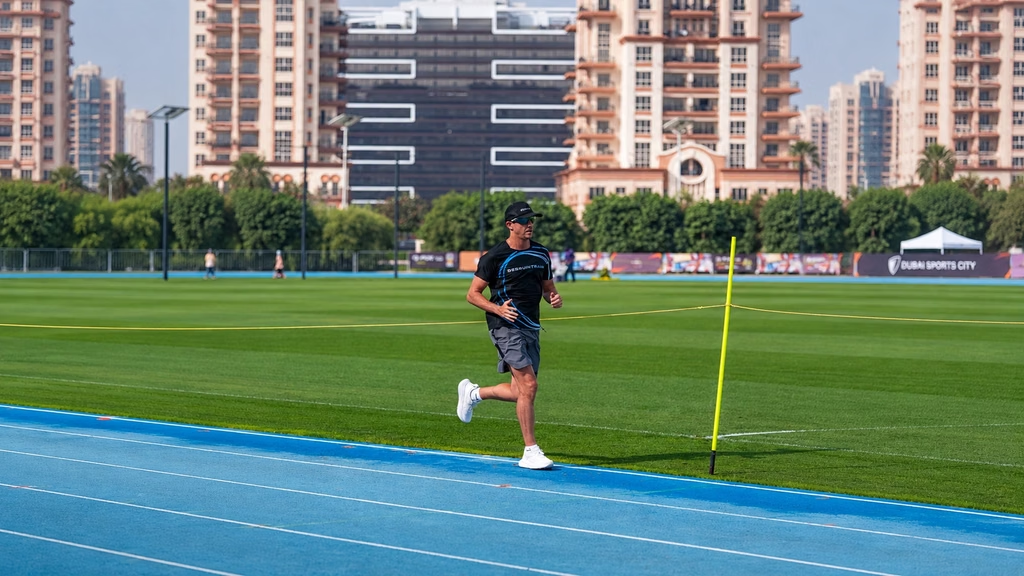
December Conditions Still Require a Thermal Plan
T100 published an estimated air-temperature range of 15–25°C for race day. Direct sun, wind and accumulated bike heat can still change a sustainable run pace, while cooler mornings can affect warm-up decisions.
Key brick sessions should test how heart rate, fluid demand and retention, as well as perceived energy exertion, change across warmer and cooler scenarios—you should not rely on one forecast only.
Keeping an eye on heart rate in the Middle East will be a much better indicator for dehydration than power. Think of a car driving fast; the speedier you go, the more the exhaust pushes air out. Well, that’s your lungs losing moisture which is water that needs to come from somewhere.
– Coach de Bruin
Fuel for Intensity, Not Just Distance
The 100 km format is short enough to be raced aggressively but long enough that poor fuelling choices can impede the final hour. Fuel intake should support high energy outputs without disrupting an aerodynamic bike position or creating gastrointestinal discomfort before the run in T2.
Race rehearsals should verify carbohydrate delivery and compatibility, bottle access and timing at race intensity. Athletes in the 100 km races must also rehearse nutrition placement within the event’s transition-bag system.
A Championship Build Should Become Narrower
Six to ten weeks out, training should address the largest Qatar-specific limiter: swim positioning, aero durability, pack awareness, heat response or starting the run at speed without overreaching.
During the final four weeks before the race, one decisive simulation can combine pre-fatigue, 80 km-specific bike work and a progressive run. The taper then preserves intensity while removing fatigue.
At the end of a season it can get hard to do a hard push, as the season’s fatigue mentally and physically is taking its toll. Lower volume and sharpening up sessions are my go-to for these events, and I need as much sleep as possible.
– Coach de Bruin
Race Week in Lusail
Athletes collect race packs at Lusail Plaza and must rack their bikes the day before racing. Photo identification and the QR code from the race dashboard or confirmation email are required.
Qualified athletes must confirm federation requirements and their approved national race suit. Recheck the official schedule before travel because several timings remain TBC.
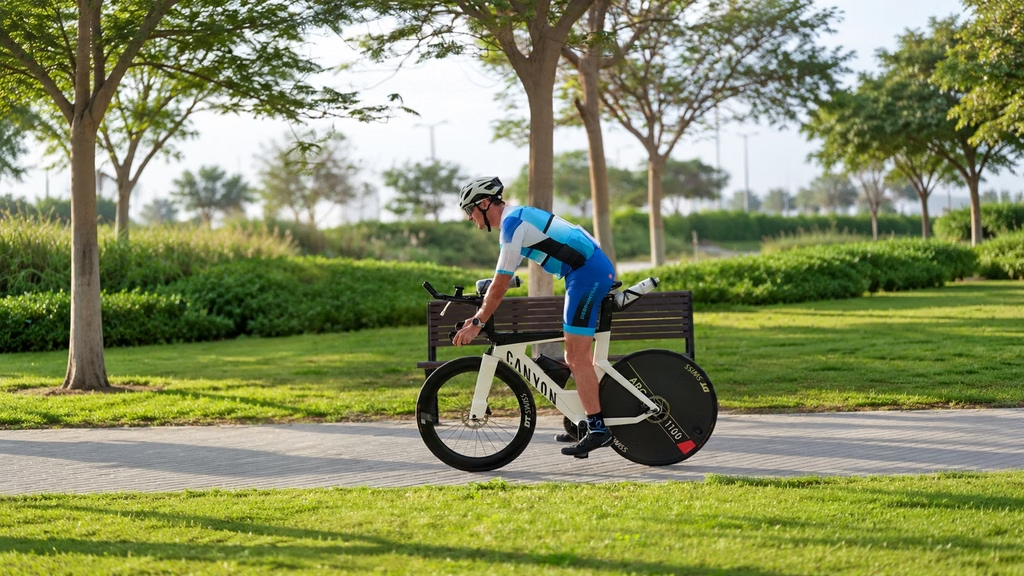
Prepare for T100 Qatar With Coach de Bruin
Qatar demands a plan tailored to the athlete’s qualification status, experience level, seasonal training load and competitive goals. Coach Gerhard de Bruin provides personalised triathlon coaching through De Bruin Train for athletes in Dubai, across the UAE and worldwide.
Preparation can include TrainingPeaks programming, performance-data review, flat-course bike execution, race-specific nutrition, transition planning and taper control.
T100 Qatar 2026 FAQs
When and where is T100 Qatar 2026?
The event runs from 10 to 12 December 2026 in Lusail, Qatar. The main triathlon programme takes place on Friday and Saturday, with the event village located at Lusail Plaza.
What are the T100 Qatar distances?
The 100km race comprises a 2km swim, an 80km bike and an 18km run. The Sprint comprises a 750m swim, a 20km bike and a 5km run.
Is every 100km athlete racing the World Championship?
No. Saturday includes both the qualified T100 Age-Group World Championship and an open 100km triathlon. Athletes should confirm the entry category and rules that apply to the race they intend to enter.
How do athletes qualify for the Age-Group World Championship?
Athletes can qualify by placing in the top 10 of their age group and gender at a T100 mass-participation race or through National Federation selection. Federation endorsement is required, and top-10 places do not roll down.
What is the Qatar T100 course profile?
T100 describes a sea swim with flat bike and run courses. The current 100km format lists one 2km swim lap, four 20km bike laps and three 6km run laps.
Will wetsuits be allowed?
Wetsuit use will depend on the official water-temperature measurement and applicable race rules. Because published temperature guidance varies, athletes should prepare to execute confidently with or without a wetsuit.
What are the minimum ages?
Competitors must be at least 18 for the 100km triathlon and 16 for the Sprint as of 31 December 2026.