This guide examines the performance demands of IRONMAN 70.3 Nelson Mandela Bay 2027, including its bay swim, exposed bike course and championship-level field. It explains how serious athletes can use disciplined pacing, wind-specific preparation, tested fueling and run durability to pursue a PB or competitive result.
| Race details | Information |
|---|---|
| Official event | ISUZU IRONMAN 70.3 Nelson Mandela Bay African Championship |
| Current official race date | Sunday, 31 January 2027 |
| Location | Gqeberha, Eastern Cape, South Africa |
| Swim | 1.9km bay swim, historically held at King’s Beach |
| Bike | Approximately 90km across a coastal, rolling route |
| Run | 21.1km course, historically finishing near Hobie Beach |
| Total distance | 113km / 70.3 miles |
| Typical conditions | Coastal wind, changing exposure and moderate January temperatures |
| Championship status | IRONMAN 70.3 African Championship |
The ISUZU IRONMAN 70.3 Nelson Mandela Bay African Championship returns to Gqeberha in January 2027. 31 January 2027, For serious athletes, the event is not simply a coastal 70.3. It is a championship race on a familiar but demanding South African circuit, where ocean conditions, exposed roads, wind and a deep local field can make small pacing errors expensive.
The final 2027 athlete guide will confirm the exact course, elevation, aid stations, cut-offs, transition arrangements and race-day timings. Previous route information is useful for preparation but should not replace the most up-to-date official guide.
Preparing for Nelson Mandela Bay With a Championship or PB Target?
Coach de Bruin can build your programme around your race data, available training time and performance objective.
A Championship Race Requires More Than Fitness
Nelson Mandela Bay has a strong local triathlon culture and a course that rewards athletes who can read the environment. The bay swim can look straightforward, while exposed coastal roads make wind a central performance variable.
Coach de Bruin would set the race plan around controllable outputs: swim effort, bike power variability, position time, fueling consistency and run durability. Championship racing rewards athletes who make fewer unnecessary decisions when competitors begin to fade.
A championship race in January will always be a little questionable to peak if your season only started, but having the December-January training block behind can deliver really great results early in the year. Strong athletes should decide how important this race is before taking the foot of the pedal as the season only began.
– Coach Gerhard de Bruin
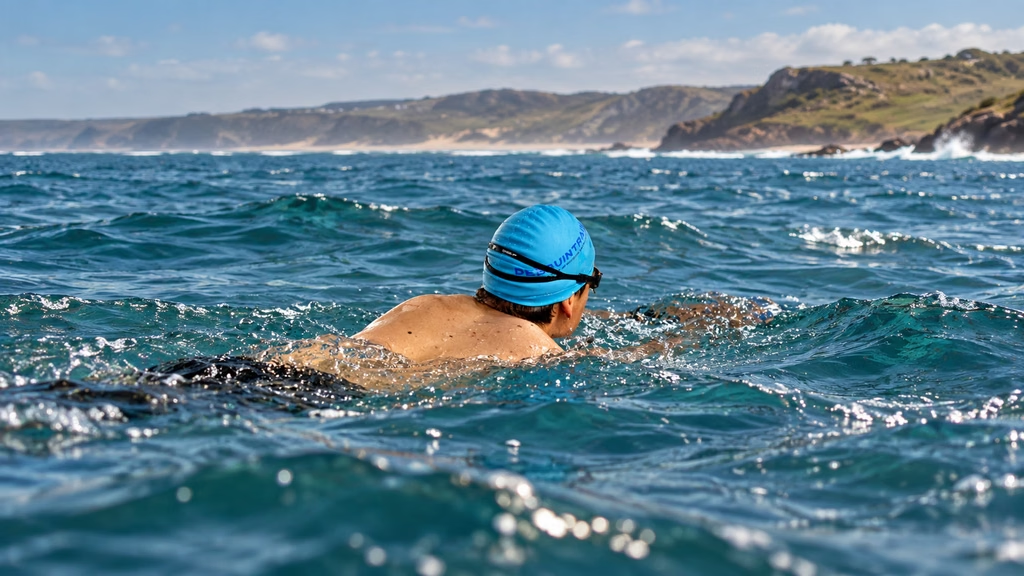
The Bay Swim: Read the Water Before Chasing the Split
Previous Nelson Mandela Bay races have used a 1.9 km swim at King’s Beach. Open-bay conditions can change with wind direction, swell and current, even when the water appears calm from the beach. Athletes should rehearse sighting, drafting and maintaining rhythm when the line to the first buoy is crowded.
The opening minutes should establish a useful position without becoming an uncontrolled threshold effort. The athlete should leave the water composed enough to execute the first bike instruction.
The Bike: Wind Is Part of the Course
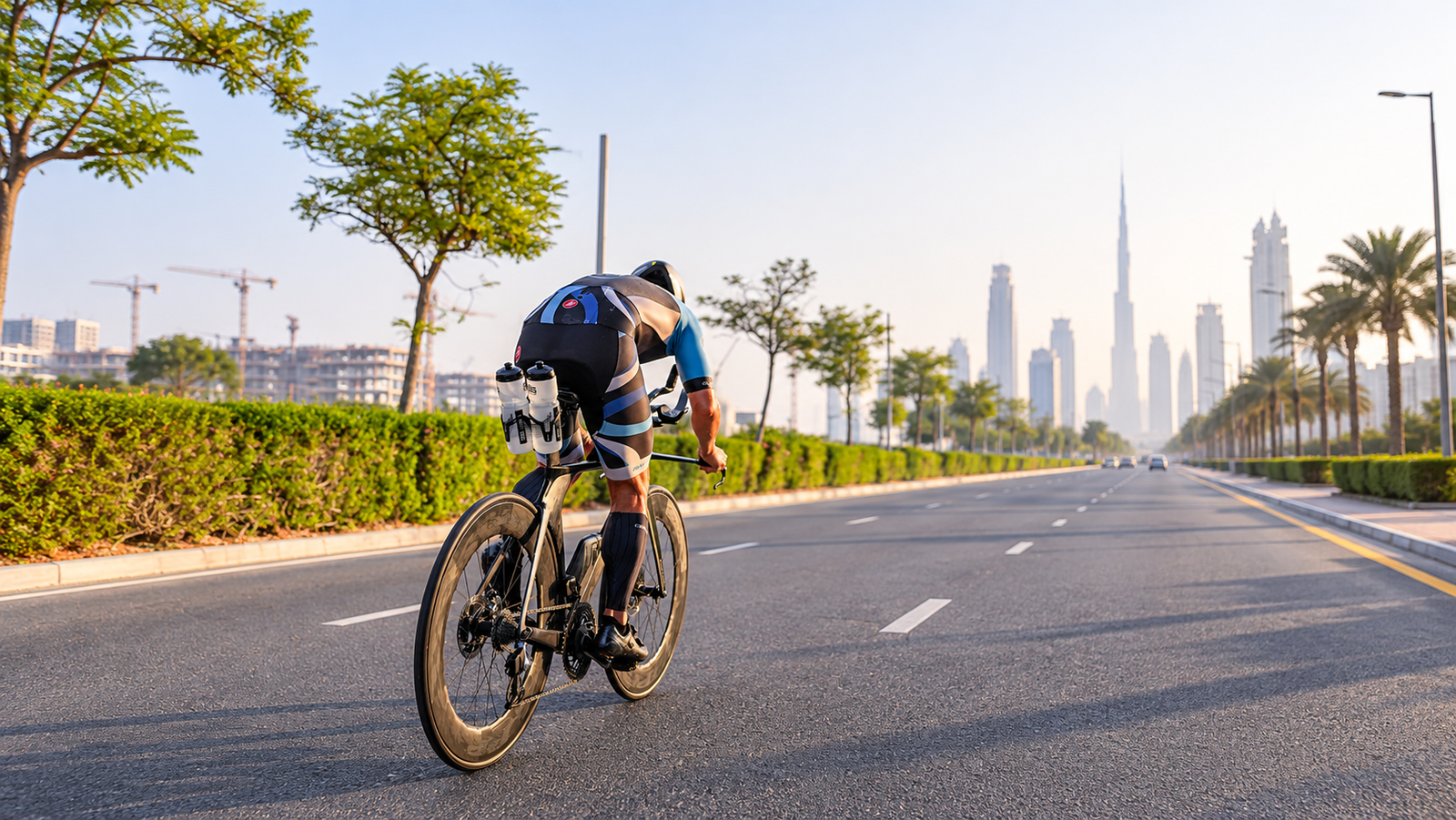
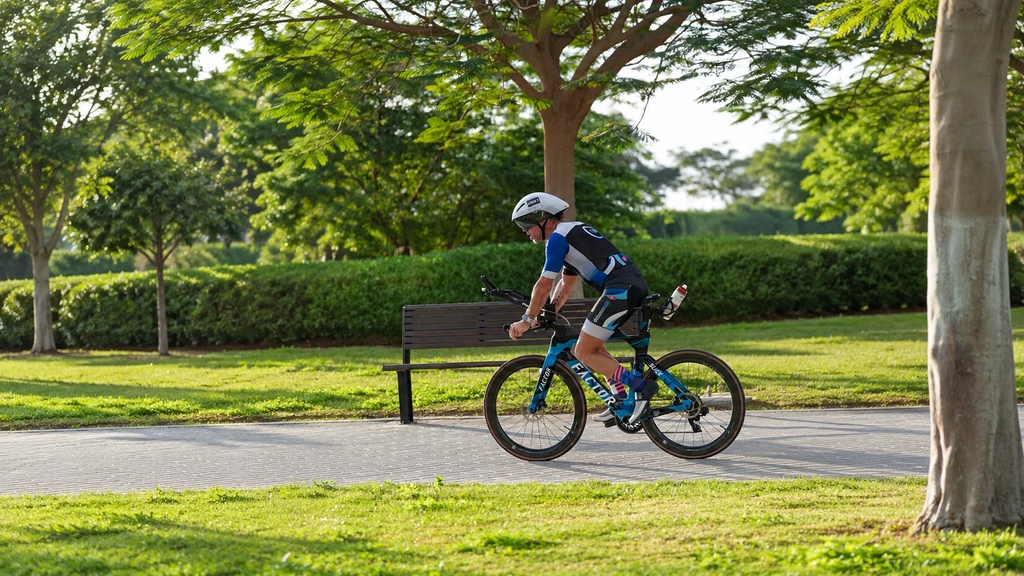
The almost 90 km bike combines coastal riding with rolling sections. Wind can make an athlete appear slow in a headwind and unusually fast with it behind them, so speed alone is a poor pacing guide.
Coach de Bruin would anchor the ride to power, cadence, aerodynamic position and the expected duration of the effort. Short rises should not become repeated attacks, and a tailwind should not be treated as permission to exceed the sustainable ceiling. A strong bike split is valuable only if it leaves the athlete able to race the final 10km of the half-marathon.
The Run: Let the Course Reveal the Correct Pace
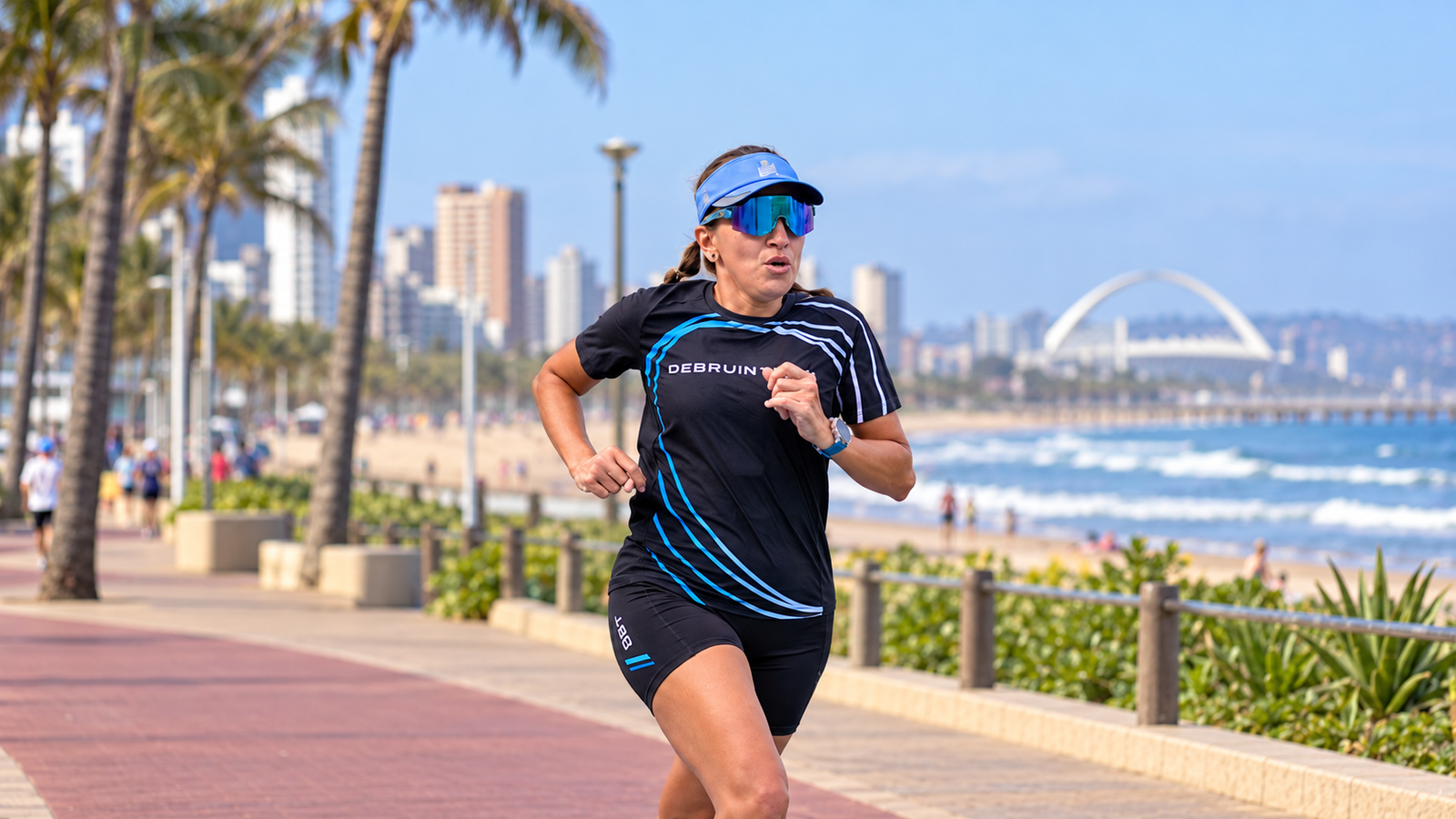
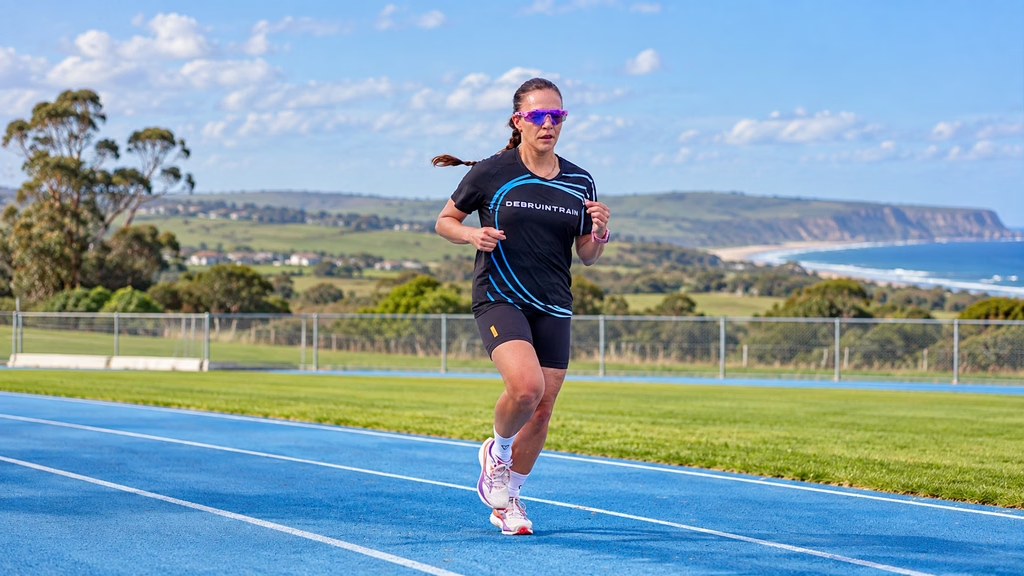
The 21.1 km run has historically finished near Hobie Beach and used a spectator-friendly waterfront route. Whether the final 2027 layout is flat or includes small rolling changes, the opening kilometres should be governed by the athlete’s bike execution rather than by the atmosphere of the championship start.
The first section should confirm that cadence, cooling and fueling are stable. By the halfway point, athletes should know whether they are protecting position or beginning to move through the field. A late increase is earned through restraint early in the run.
January Conditions and South African Summer Exposure
January can produce favorable racing temperatures, but the coastal environment remains exposed to both sun and wind. A cool start does not guarantee a cool run.
Training should test how heart rate, RPE, fluid demand and pace respond to wind and temperature together. Athletes traveling from the UAE may have useful heat experience; those arriving from cooler climates may require more deliberate exposure before race week.
Fueling Should Be Designed Around the Wind
Wind and rolling terrain can interrupt well-timed eating and drinking intakes. The plan should use frequent, manageable intakes rather than relying on a late recovery input in the final circuit of the bike in T1.
Key rides and bricks should test carbohydrate, fluid and sodium intake at race intensity, including how the athlete accesses their bottles while holding a stable but powerful position. Record the conditions and the quality of the subsequent run. The final strategy should be familiar enough to execute without having to pivot from the race training.
The Build to an African Championship
Eight to twelve weeks before race-day, identify any performance limiters that matter most and need improvement. This includes open-water position, wind stability, rolling-course durability, nutrition access or running after a hard bike. The programme should prioritize these limiters while ensuring that the other disciplines remain race-ready.
In the final four weeks, one race-specific simulation should combine the intended bike output, conditions, fueling and a controlled run progression. The taper then needs to remove fatigue while retaining the required intensity for a championship race. No major equipment or nutrition experimentation belongs in the final days leading up to the race.
Race-Week Preparation
Confirm the final date, athlete guide, transition requirements, accommodation and transport before making any travel plans to the race location. Arrive early enough to assemble equipment and test the bike without affecting the taper, and define responses for stronger wind or altered swim conditions that could very likely change on the day of the race. The ability to adapt to changing environmental conditions is key to staying steady throughout the race, as January is the peak of the summer season in South Africa.
Prepare for Nelson Mandela Bay With Coach de Bruin
Coach Gerhard de Bruin provides personalised triathlon coaching through De Bruin Train for athletes in South Africa, Dubai, across the UAE and worldwide. Preparation can connect TrainingPeaks programming, performance testing and race-specific analysis with the demands of an African Championship course.
Coaching may include wind-specific bike execution, open-water preparation, nutrition rehearsals, pacing analysis and race-week planning.
Frequently Asked Questions
When is IRONMAN 70.3 Nelson Mandela Bay 2027?
The current official IRONMAN listing shows Sunday, 31 January 2027. Some early references list 30 January in connection with the race weekend, so athletes should confirm the final athlete guide before arranging travel.
What are the race distances?
Athletes complete a 1.9km swim, approximately 90km bike and 21.1km run, totalling 113km or 70.3 miles.
Is Nelson Mandela Bay an African Championship?
Yes. The 2027 event is listed as the ISUZU IRONMAN 70.3 Nelson Mandela Bay African Championship.
What is the bike course like?
It is generally described as a coastal, rolling and exposed route. Wind can have a meaningful effect on speed, handling and pacing, so power and effort should guide decisions more than average speed does.
What is the swim venue?
Previous editions have used a bay swim at King’s Beach. The final 2027 athlete guide will confirm the exact swim course and start arrangements.
How should athletes prepare for the wind?
Include outdoor sessions in exposed conditions, practise holding an aerodynamic position through crosswinds and test equipment choices before race week. Nutrition should also be practised while maintaining control.
Is this a good race for achieving a personal best?
It can be, but the result depends on wind, air temperature, water conditions, the confirmed route and the athlete’s execution. A PB target should be based on current performance data rather than a fixed time copied from a previous edition.